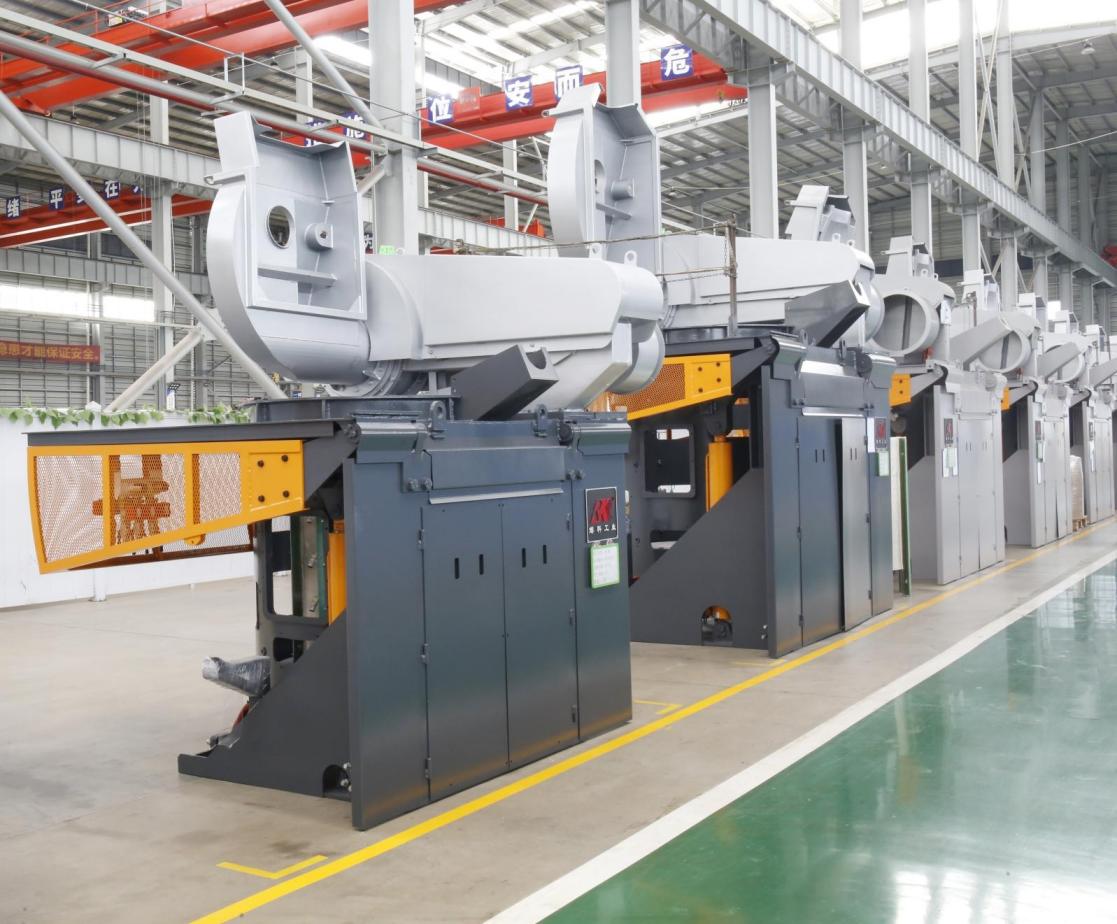


Induction Melting Furnace for Cast Iron: A Complete Guide
Induction Melting Furnace for Cast Iron: A Complete Guide
Cast iron is one of the most widely used materials in the foundry industry, with applications ranging from automotive components and machinery parts to pipes, pump housings, and industrial equipment.
To produce high-quality cast iron castings, foundries need a reliable melting system that can provide stable temperature control, efficient melting, and consistent molten metal quality.
An induction melting furnace for cast iron is widely used for this purpose.
Compared with traditional melting methods, induction melting offers advantages such as fast heating, precise temperature control, electromagnetic stirring, and flexible production operation.
In this guide, we explain how induction furnaces are used for cast iron melting, what equipment is required, and how to select the right system for your foundry.
1. Why Is Induction Melting Used for Cast Iron?
Cast iron melting requires careful control of temperature and chemical composition.
The melting process must ensure that the molten metal reaches the required temperature while maintaining the correct material composition for the final casting.
Induction melting furnaces are widely used because they can provide:
- Efficient electrical heating
- Fast melting performance
- Accurate temperature control
- Electromagnetic stirring
- Flexible batch production
- Cleaner operating conditions compared with combustion-based melting
The actual performance depends on furnace capacity, power configuration, raw materials, operating conditions, and furnace design.
For many modern foundries, induction melting is an important part of a reliable cast iron production process.
2. How Does an Induction Furnace Melt Cast Iron?
The working principle is based on electromagnetic induction.
The process can be simplified as:
Electrical Power → Induction Coil → Electromagnetic Field → Eddy Currents → Heat → Molten Cast Iron
When alternating current flows through the induction coil, it creates a changing electromagnetic field.
The metal charge inside the furnace is exposed to this field, generating induced electrical currents within the metal.
These currents produce heat through electrical resistance.
As the temperature increases, the cast iron charge gradually melts.
The electromagnetic field also creates a stirring effect in the molten metal, which can help improve temperature and composition uniformity when properly controlled.
3. What Materials Are Used for Cast Iron Melting?
A cast iron foundry may use different raw materials depending on the required grade and production process.
Common charge materials include:
- Pig iron
- Steel scrap
- Cast iron returns
- Foundry scrap
- Recycled metal
- Alloying materials
The exact charge composition depends on the desired final cast iron grade.
Different cast iron products may require different chemical compositions and metallurgical control.
For this reason, the melting system should be selected together with the foundry’s material preparation and quality-control process.
4. Important Factors When Melting Cast Iron
Melting Temperature
Cast iron must be heated to the required melting and pouring temperature.
The actual operating temperature depends on:
- Cast iron grade
- Casting design
- Pouring requirements
- Production process
Accurate temperature measurement is important for maintaining consistent casting quality.
Chemical Composition
The final chemical composition affects the mechanical properties and performance of cast iron castings.
Foundries may need to monitor and adjust elements such as:
- Carbon
- Silicon
- Manganese
- Sulfur
- Phosphorus
- Other alloying elements
The induction furnace provides the melting stage, while chemical analysis and alloying procedures help control the final material grade.
Melting Rate
The furnace should be capable of meeting the production schedule.
A suitable system must match:
- Required tons per batch
- Tons per hour
- Working hours per day
- Downstream pouring requirements
Molten Metal Temperature
The molten metal should reach the required temperature before transfer or pouring.
Temperature stability is important for reducing variations in casting quality.
5. How to Choose the Right Cast Iron Melting Furnace
Selecting the correct furnace requires more than choosing a nominal capacity.
Furnace Capacity
Determine how much cast iron needs to be melted per batch.
Common industrial capacities may include:
- 500 kg
- 1 ton
- 2 tons
- 3 tons
- 5 tons
- 10 tons
- Customized capacities
The right capacity depends on the production process and required output.
Power Configuration
The required power depends on:
- Furnace capacity
- Melting rate
- Cast iron charge condition
- Production schedule
A higher power system may provide faster melting, but the correct configuration should be determined based on the complete production requirement.
Furnace Frequency
Medium-frequency induction systems are widely used in industrial metal melting applications.
The appropriate frequency depends on:
- Furnace size
- Metal type
- Power configuration
- Melting process
Refractory Lining
The refractory lining must be suitable for cast iron melting and the operating conditions.
Important considerations include:
- Temperature resistance
- Chemical compatibility
- Thermal shock resistance
- Mechanical strength
- Maintenance requirements
Proper lining installation and maintenance are essential for safe operation.
6. Main Equipment in a Cast Iron Induction Melting System
A complete cast iron melting system may include:
Induction Furnace
The furnace body contains the metal charge and provides the melting chamber.
Medium-Frequency Power Supply
The power supply provides the electrical energy required for induction heating.
Cooling System
The induction coil and electrical components require reliable cooling.
Hydraulic Tilting System
The furnace can be tilted to discharge molten cast iron into a ladle.
Temperature Measurement System
Accurate temperature measurement helps operators control the melting process.
Safety Protection System
Important systems may include:
- Furnace leakage detection
- Electrical protection
- Cooling monitoring
- Emergency shutdown
- Temperature alarms
The exact equipment configuration depends on the project requirements.
7. Cast Iron Melting and Foundry Automation
Modern foundries increasingly use automated systems to improve production efficiency and reduce manual operations.
A complete automated cast iron production line may include:
Raw Material Batching
↓
Automatic Feeding
↓
Induction Melting
↓
Molten Iron Transfer
↓
Automatic Pouring
↓
Casting Production
Automation can help improve:
- Production consistency
- Labor efficiency
- Material handling
- Process control
- Workplace safety
For high-volume foundries, integrating the melting furnace with the rest of the production line can provide significant operational advantages.
8. Energy Efficiency in Cast Iron Melting
Energy consumption is an important consideration for cast iron foundries.
The actual energy consumption of an induction melting system depends on:
- Furnace capacity
- Power supply efficiency
- Melting temperature
- Raw material condition
- Charge density
- Operating practices
- Melting cycle
A properly designed system can help reduce unnecessary energy loss and improve overall melting efficiency.
However, energy performance should always be evaluated under actual operating conditions rather than based only on equipment specifications.
9. Safety Considerations
Cast iron melting involves high temperatures, electrical power, and molten metal.
A professional melting system should include appropriate safety measures.
Important considerations include:
- Furnace leakage detection
- Cooling water monitoring
- Electrical protection
- Hydraulic system protection
- Emergency shutdown
- Temperature monitoring
- Proper refractory lining
- Appropriate ventilation and fume extraction
Operators should also receive proper training in furnace operation, maintenance, and emergency procedures.
10. Why Choose Rongke for Cast Iron Melting?
Rongke provides induction melting and foundry automation solutions for industrial customers.
For cast iron foundries, our solutions can include:
- Medium-frequency induction melting furnaces
- Medium-frequency power supply systems
- Automatic batching and feeding systems
- Molten iron transfer systems
- Automatic pouring systems
- Cooling systems
- Dust removal systems
- Related control and automation equipment
The system configuration can be developed according to:
Cast Iron Grade + Furnace Capacity + Melting Rate + Factory Layout + Automation Requirements
This allows the melting system to be matched to the customer’s actual production process.
Conclusion
An induction melting furnace for cast iron is an important piece of equipment for modern foundries.
It provides efficient electrical heating, accurate temperature control, electromagnetic stirring, and flexible production operation.
When selecting a cast iron melting furnace, buyers should consider:
- Cast iron grade
- Furnace capacity
- Melting rate
- Power supply
- Frequency
- Refractory lining
- Cooling system
- Safety configuration
- Automation requirements
The right system can help improve melting efficiency, production consistency, and long-term foundry performance.
Looking for a Cast Iron Induction Melting Furnace?
If you are planning a new cast iron foundry or upgrading your existing melting system, Rongke can help evaluate your production requirements and recommend a suitable induction melting solution.
Tell us your:
- Cast iron grade
- Required furnace capacity
- Target melting rate
- Factory layout
- Automation requirements
Contact Rongke to discuss your cast iron melting project.