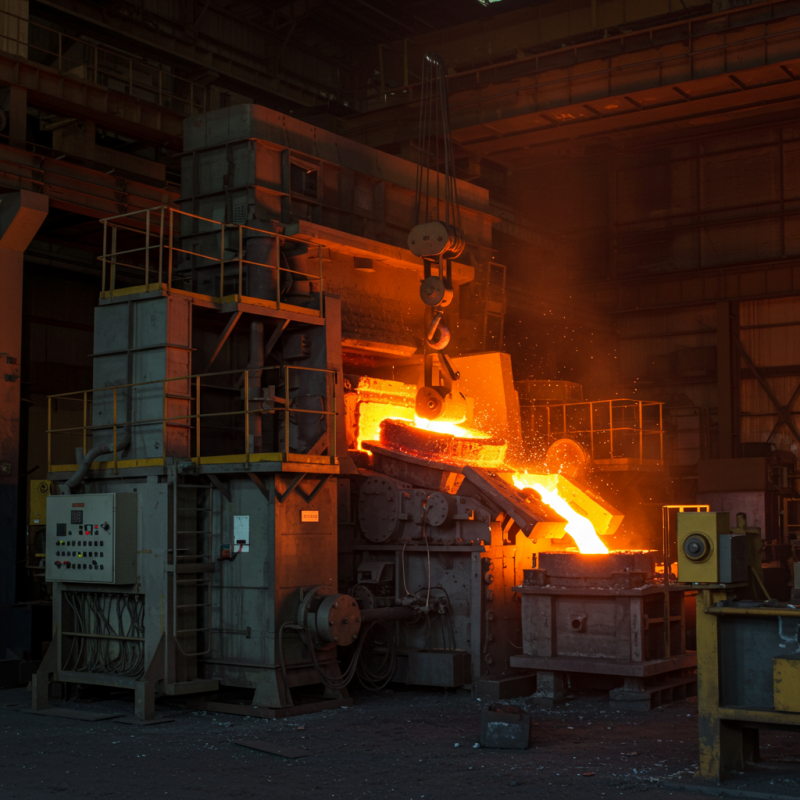

Common Induction Furnace Problems and How to Solve Them
Common Induction Furnace Problems and How to Solve Them
SEO Information
SEO Title: Common Induction Furnace Problems and How to Solve Them
Slug: common-induction-furnace-problems-and-solutions
Meta Description: Learn about common induction furnace problems, including slow melting, overheating, unstable power, refractory damage, cooling issues, and how to troubleshoot them.
Focus Keyword: induction furnace problems
Secondary Keywords:
- induction furnace troubleshooting
- induction furnace problems and solutions
- induction melting furnace problems
- induction furnace maintenance
- medium frequency induction furnace troubleshooting
- induction furnace not melting properly
Category: Induction Melting
Common Induction Furnace Problems and How to Solve Them
Induction melting furnaces are widely used in modern foundries because they provide fast melting, precise temperature control, and flexible operation.
However, like any industrial equipment, an induction furnace can experience operating problems.
Issues such as slow melting, unstable power, excessive refractory wear, cooling system alarms, abnormal noise, or inconsistent molten metal temperature can affect production efficiency and equipment reliability.
Some problems are caused by the furnace itself, while others may come from the power supply, cooling system, charge material, refractory lining, electrical connections, or operating procedures.
Understanding the common causes can help foundries identify problems earlier and reduce unnecessary downtime.
This guide covers some common induction furnace problems and the basic factors that should be checked.
Important: Electrical, cooling, refractory, and high-temperature furnace problems should be inspected and handled by qualified personnel according to the equipment manufacturer’s safety procedures.
1. Slow Melting Speed
One of the most common complaints from furnace operators is that the furnace is taking longer than expected to melt the metal.
A slow melting rate can reduce production capacity and increase energy consumption per ton of molten metal.
Possible Causes
Several factors can contribute to slow melting:
- Insufficient power output
- Incorrect power supply settings
- Poor electrical connections
- Incorrect charge material
- Excessively large charge pieces
- Poor charge arrangement
- Low voltage or unstable electrical supply
- Furnace lining problems
- Incorrect operating conditions
- Cooling system limitations
- Furnace configuration not matched to the required production rate
What Should Be Checked?
Start by checking the actual electrical power delivered to the furnace.
Then compare the actual melting performance with the equipment’s designed operating conditions.
It is also important to check the charge material.
Large or poorly arranged metal pieces can affect the melting process and charging efficiency.
If the problem continues, the power supply, coil, refractory lining, cooling system, and control parameters should be inspected by qualified technicians.
2. Furnace Cannot Reach the Required Melting Temperature
Another possible problem is that the furnace is operating but the molten metal does not reach the required temperature efficiently.
Possible Causes
Common factors include:
- Insufficient heating power
- Excessive heat loss
- Incorrect temperature measurement
- Improper charge material
- Excessive cold material added during the process
- Refractory or furnace condition problems
- Incorrect operating parameters
Temperature measurement equipment should also be checked.
A faulty or incorrectly positioned temperature sensor can produce inaccurate readings even when the actual molten metal temperature is different.
Solution
Operators should first verify the temperature measurement system and operating parameters.
If the furnace power is correct but heating performance remains abnormal, the furnace, coil, refractory lining, and power supply should be inspected.
3. Unstable Power Output
An induction melting furnace relies on a stable electrical power supply.
If the power output fluctuates unexpectedly, the melting process may become unstable.
Possible Causes
Potential causes include:
- Unstable incoming electrical supply
- Power supply component problems
- Loose electrical connections
- Cooling problems affecting power components
- Control system faults
- Abnormal furnace conditions
For medium-frequency induction furnaces, the power cabinet and furnace body operate as an integrated system.
Therefore, troubleshooting should not focus only on the furnace itself.
What to Check
A qualified technician should check:
- Input voltage
- Output power
- Electrical connections
- Power components
- Control signals
- Cooling conditions
- Alarm records
Do not bypass protection or safety functions simply to continue production.
4. Excessive Refractory Lining Wear
The refractory lining protects the furnace structure from the high temperature of molten metal.
Lining condition is therefore critical for both furnace performance and operational safety.
Common Signs of Refractory Problems
Operators may observe:
- Cracks
- Abnormal wear
- Localized thinning
- Unexpected moisture
- Changes in furnace behavior
- Reduced lining life
Possible Causes
Refractory life can be affected by:
- Incorrect refractory material
- Improper installation
- Incorrect sintering procedure
- Excessive thermal shock
- Mechanical impact during charging
- Incorrect operating temperature
- Inappropriate slag management
- Improper maintenance
How to Improve Refractory Life
The refractory material should be selected according to:
- Metal type
- Operating temperature
- Furnace capacity
- Melting process
- Chemical environment
- Operating frequency
Following the refractory manufacturer’s installation and sintering procedures is also important.
5. Cooling System Problems
Cooling is essential for an induction furnace system.
The induction coil, power supply, and other heat-generating components may require controlled cooling.
A cooling system problem can therefore lead to alarms, reduced operating performance, or equipment shutdown.
Common Cooling Problems
Examples include:
- Insufficient water flow
- Excessive water temperature
- Blocked pipelines
- Pump failure
- Heat exchanger problems
- Water leakage
- Incorrect water quality
- Cooling pressure abnormalities
What Should Operators Monitor?
Depending on the system design, operators may need to monitor:
- Water temperature
- Water flow
- Water pressure
- Pump status
- Cooling alarms
- Heat exchanger condition
Regular inspection of the cooling system can help identify problems before they affect production.
6. Induction Furnace Makes Abnormal Noise
Induction furnaces can produce normal operating sounds during melting.
However, a sudden or unusual change in sound should not be ignored.
Possible Causes
Abnormal noise may be associated with:
- Mechanical vibration
- Electrical conditions
- Coil-related issues
- Loose components
- Cooling system problems
- Abnormal metal movement
- Furnace structure problems
The exact cause cannot be determined from sound alone.
If unusual noise appears suddenly or is accompanied by vibration, alarms, overheating, or unstable power, the furnace should be inspected according to the manufacturer’s procedures.
7. Furnace Coil Problems
The induction coil is one of the most important components of an induction melting furnace.
It generates the electromagnetic field that transfers energy to the metal charge.
Problems involving the coil can therefore seriously affect furnace operation.
Potential Warning Signs
Operators should pay attention to:
- Cooling water leakage
- Abnormal temperature
- Insulation damage
- Unusual electrical behavior
- Coil deformation
- Abnormal vibration
Because the coil operates under high electrical power and high-temperature conditions, inspection and maintenance should be performed by qualified technicians.
Preventive inspection is generally preferable to waiting until a major failure occurs.
8. Molten Metal Temperature Is Inconsistent
Inconsistent molten metal temperature can create problems for downstream casting operations.
For example, if the metal temperature is too low, pouring and filling behavior may be affected.
If the temperature is unnecessarily high, energy consumption and refractory wear may increase.
Possible Causes
Temperature inconsistency may be related to:
- Inaccurate temperature measurement
- Variable melting cycle
- Inconsistent charge material
- Different holding times
- Excessive temperature loss during transfer
- Operator practices
- Furnace power fluctuations
The temperature control strategy should therefore consider the complete process from melting to pouring.
9. Excessive Slag Formation
Slag is a normal part of many metal melting processes, but excessive or poorly managed slag can affect furnace operation and molten metal quality.
Possible contributing factors include:
- Charge material quality
- Oxidation
- Contamination
- Alloy composition
- Melting practice
- Slag removal procedures
Operators should follow the appropriate process for the specific metal being melted.
Charge materials should also be properly prepared and sorted.
10. Furnace Trips or Unexpected Shutdowns
Unexpected shutdowns can have a significant impact on production.
A furnace may stop because a protection or monitoring system detects an abnormal condition.
Possible Causes
These can include:
- Over-temperature
- Cooling water problems
- Electrical faults
- Power supply abnormalities
- Control system alarms
- Furnace protection activation
- Sensor problems
The first step should be to identify the actual alarm or protection condition.
Operators should record the alarm information rather than repeatedly restarting the equipment without determining the cause.
11. Charge Material Problems
Not every furnace problem originates from the furnace.
The charge material can also affect melting performance.
Examples include:
- Oversized scrap
- Excessively contaminated scrap
- Wet material
- Improper material composition
- Poor charge distribution
- Excessive fines
- Inconsistent charge batches
For safety reasons, wet or contaminated materials should be handled according to appropriate foundry procedures.
Good charge preparation can improve melting consistency and reduce unnecessary operating problems.
12. Problems Caused by Incorrect Furnace Operation
Operator practices can also affect furnace performance.
Examples include:
- Overloading the furnace
- Incorrect charging sequence
- Ignoring cooling alarms
- Incorrect power settings
- Improper refractory operation
- Excessive temperature
- Poor slag management
- Delayed maintenance
For this reason, operators should be properly trained on the specific furnace system they are using.
Standard operating procedures should clearly define:
- Startup
- Charging
- Melting
- Temperature measurement
- Slag removal
- Tapping
- Shutdown
- Emergency procedures
13. Preventive Maintenance for Induction Furnaces
Preventive maintenance can help identify potential problems before they become major failures.
A maintenance program may include regular inspection of:
Electrical System
- Power supply
- Electrical connections
- Control cabinet
- Sensors
- Protection systems
Cooling System
- Pumps
- Pipes
- Water flow
- Water temperature
- Heat exchanger
- Water quality
Furnace System
- Refractory lining
- Induction coil
- Furnace structure
- Tilting mechanism
- Hydraulic system
Control System
- Sensors
- Temperature measurement
- Alarms
- Control parameters
- Communication signals
The exact maintenance schedule should follow the equipment manufacturer’s recommendations.
14. How to Troubleshoot an Induction Furnace Step by Step
When a problem occurs, a systematic troubleshooting process is more useful than randomly changing components.
Step 1: Identify the Symptom
Record exactly what happened.
For example:
- Melting became slower
- Power became unstable
- Cooling alarm appeared
- Furnace temperature increased
- Furnace stopped unexpectedly
Step 2: Check the Alarm Information
Modern induction furnace systems may provide alarms or fault codes.
Record these before resetting the system.
Step 3: Check Basic Operating Conditions
Verify:
- Power supply
- Cooling water
- Furnace condition
- Charge material
- Temperature measurement
Step 4: Compare With Normal Operating Data
If historical operating data is available, compare the current values with normal conditions.
Step 5: Contact Technical Support
If the problem involves electrical power, high-temperature components, refractory damage, coil conditions, or safety protection, contact qualified technical personnel.
15. How to Reduce Induction Furnace Downtime
A reliable melting operation is not only about selecting a good furnace.
It also depends on proper operation and maintenance.
Foundries can reduce unnecessary downtime by:
- Performing regular inspections
- Monitoring cooling conditions
- Checking refractory condition
- Maintaining electrical connections
- Recording operating parameters
- Training operators
- Keeping critical spare parts available
- Following manufacturer maintenance recommendations
It is also useful to keep a record of furnace problems.
For example:
| Problem | Possible Cause | Action |
|---|---|---|
| Slow melting | Low power / charge issue | Check power and charge |
| Cooling alarm | Low flow / high temperature | Inspect cooling system |
| Unstable power | Electrical or control issue | Check power system |
| Lining wear | Refractory / operation | Inspect lining |
| Temperature inconsistency | Measurement / process | Check sensors and process |
| Unexpected shutdown | Protection alarm | Identify alarm condition |
This type of record can help maintenance teams identify recurring problems.
16. When Should You Contact the Furnace Manufacturer?
Some problems can be handled through routine operating procedures.
Others require professional technical support.
Contact the equipment manufacturer or qualified service personnel when you encounter:
- Repeated electrical faults
- Coil leakage
- Serious refractory damage
- Persistent cooling alarms
- Repeated unexpected shutdowns
- Abnormal power behavior
- Serious mechanical problems
- Safety-related issues
Do not continue operating equipment when there is a serious safety risk simply to avoid production downtime.
17. Rongke Induction Furnace Solutions
An induction melting system is more than just a furnace body.
A complete system may include:
Induction Furnace → Medium-Frequency Power Supply → Cooling System → Control System → Charging System → Molten Metal Transfer → Automatic Pouring
Rongke provides induction melting and foundry automation solutions designed around different production requirements.
Depending on the project, the system can be configured according to:
- Metal type
- Furnace capacity
- Melting rate
- Power requirements
- Production target
- Factory layout
- Automation requirements
A complete system approach can also help ensure that the furnace, power supply, cooling, material handling, and downstream equipment work together properly.
Conclusion
Induction furnace problems can come from many different sources, including the power supply, cooling system, refractory lining, induction coil, charge material, control system, and operating procedures.
The most common issues include:
- Slow melting
- Temperature problems
- Unstable power
- Refractory wear
- Cooling system alarms
- Abnormal noise
- Coil problems
- Excessive slag
- Unexpected shutdowns
The key to reliable operation is not simply troubleshooting problems after they occur.
Regular maintenance, proper operator training, suitable charge materials, correct operating parameters, and professional technical support can all contribute to more stable furnace operation.
If you are experiencing repeated problems with an induction melting furnace, provide the furnace capacity, metal type, power configuration, operating symptoms, and alarm information to the equipment manufacturer. This information can help engineers identify the potential cause more efficiently.
Need technical support for your induction melting system? Contact Rongke to discuss your furnace requirements and operating challenges.